ByJohn A
How to Choose a Reliable IPTV Service
Choosing an IPTV service can make television more flexible, accessible, and convenient. Instead of depending only on a traditional cable package or a fixed broadcast schedule, viewers can watch live channels, sports, films, and international programming through an internet connection. However, the growing number of IPTV providers also makes it harder to know which service offers genuine value.
Understand What IPTV Means
IPTV stands for Internet Protocol Television. It delivers television content through an internet connection rather than through traditional terrestrial broadcasts, satellite signals, or cable infrastructure. Depending on the provider, IPTV may include live television channels, video-on-demand films, series, sports events, catch-up programming, or a combination of these options.
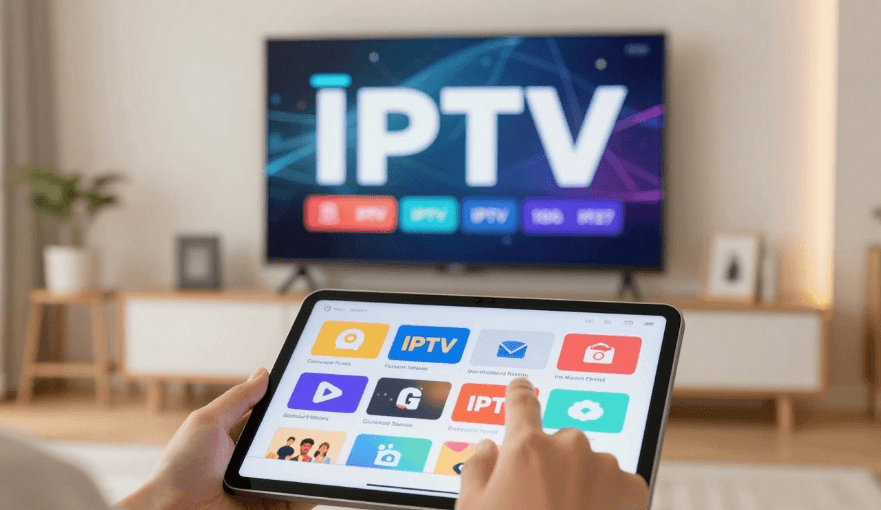
IPTV can be used on many devices, including smart televisions, streaming boxes, smartphones, tablets, computers, and selected media players. The exact setup depends on the provider and the application or player being used. Some services provide a dedicated application, while others give customers login details or a playlist that works with a compatible player.
The experience depends on several factors. A stable internet connection is essential, but the provider’s servers, content delivery system, application quality, and available bandwidth also matter. This is why two services with similar channel lists can deliver very different results in practice.
Define Your Viewing Priorities
Start by deciding what you actually want to watch. A person who mainly follows football or motorsports will have different priorities from someone who wants international news, Nordic television, children’s programming, or a large film library. A clear list of needs makes it easier to compare services objectively.
Consider the following questions:
•Which countries or languages should be included?
•Are live sports a primary reason for subscribing?
•Do you need movies and series on demand?
•Is 4K quality important, or is high-definition video sufficient?
•Do you need subtitles or multiple audio options?
•How many people will use the service?
•Do you want to watch on a television, mobile device, or both?
•Is catch-up or replay functionality necessary?
Avoid paying for a huge channel list if most of those channels are irrelevant to you. A smaller selection that matches your interests may provide more practical value than thousands of channels that are difficult to organize or rarely available.
Check Channel Categories Carefully
Providers often advertise large numbers of channels, but the headline figure does not tell you how useful the content will be. Look for a clear description of the available categories and regions. A transparent provider should make it possible to understand what is included before you subscribe.
Review whether the service offers local channels, international channels, sports networks, movie channels, documentaries, news, and children’s content. If you speak more than one language or live away from your home country, international coverage may be especially important.
Sports viewers should examine the type of coverage rather than relying on general promises. Check whether the provider lists the leagues, competitions, or sports you follow. It is also worth asking how live events are organized in the electronic program guide. A well-labeled schedule makes it easier to find a match or event quickly.
Content availability can change over time because licensing, distribution agreements, and regional restrictions vary. Responsible providers should not make unrealistic claims about permanent access to every channel or event. Always review current information and the service’s terms before making a purchase.
Evaluate Streaming Quality
Streaming quality is more than a resolution label. A service may advertise HD or 4K, but the actual picture can still be affected by server capacity, compression, network congestion, and the quality of the original broadcast. Look for information about stable playback, adaptive streaming, and available quality levels.
A reliable service should generally provide a smooth experience during normal viewing periods and be able to handle increased demand during popular live events. Buffering during an important match or a newly released film can quickly make a subscription frustrating.
Your own internet connection also matters. For standard high-definition streaming, a stable broadband connection is usually preferable to an unreliable high-speed connection. Higher resolutions require more bandwidth and may be less suitable for users with data limits or weak wireless coverage. If possible, connect the television or streaming device through Ethernet, or place the Wi-Fi router close to the device.
Consider whether the service adjusts video quality automatically when network conditions change. Adaptive playback can reduce interruptions by lowering resolution temporarily instead of stopping the stream completely.
See also: How to Prepare Your Thesis for Professional Printing
Confirm Device Compatibility
Before subscribing, check whether the service works with the devices you already own. Common options include smart TVs, Android TV devices, Apple products, computers, tablets, smartphones, and streaming boxes. Compatibility can vary by operating system, television model, and application version.
Multi-device support is useful for households where one person watches television while another uses a phone or tablet. However, there may be limits on simultaneous streams. Read the subscription details carefully to find out whether several devices can be registered and whether they can play content at the same time.
An easy installation process is another advantage. Clear setup instructions should explain how to download the application, enter account information, select a playlist, or configure the recommended player. Be cautious if a provider asks you to install unknown software from an untrusted source or requests unnecessary permissions on your device.
Review Privacy and Security Practices
Privacy is an important consideration for any online entertainment service. Before providing personal or payment information, review the provider’s privacy policy and terms. You should understand what data is collected, why it is collected, how long it is retained, and whether it is shared with third parties.
A provider that emphasizes privacy should still explain its practices clearly. Look for secure website connections, responsible account handling, and reasonable information requests. You should not need to provide unrelated sensitive information simply to access an entertainment subscription.
Use a strong, unique password for your account. If the provider supports additional security features, enable them. Avoid sharing login details publicly or using the same password for email, banking, and streaming services.
It is also sensible to install applications only from legitimate sources and to keep security software current. A streaming subscription should not require you to disable basic device protections or bypass warnings from your operating system.
Consider Payment Options Carefully
Payment methods affect both convenience and privacy. Some providers accept cards, digital wallets, bank transfers, or cryptocurrency. A wider range of options may be useful, but convenience should not replace due diligence.
Before paying, confirm the exact price, billing period, renewal conditions, and refund policy. Determine whether the displayed amount includes taxes or additional fees. If the subscription renews automatically, make sure you know how to cancel it and whether cancellation must happen before a particular date.
Cryptocurrency payments can offer an additional payment option for customers who prefer them, but users should understand that transactions may be irreversible and that exchange rates can change. Confirm the wallet address and payment amount through the provider’s official website before sending funds. Never send money to an address supplied through an unsolicited message.
Look for Transparent Subscription Plans
A good subscription page should explain what each plan includes. Compare the duration, supported devices, number of simultaneous connections, video quality, content categories, and customer support options. A monthly plan may be appropriate when you want to test a service, while a longer plan may reduce the average monthly price if you already trust the provider.
Do not assume that the most expensive plan is automatically the best. Select the plan that matches your household and viewing habits. If you only need one connection, paying for several simultaneous streams may be unnecessary. Conversely, a low-cost plan may be poor value if it prevents family members from watching on separate devices.
When evaluating an IPTV abonnement, read the plan conditions before completing the order. Check the activation process, duration, renewal terms, and support contact so that there are no surprises after payment.
Test the Service During the Trial Period
If a provider offers a trial or short-term option, use it to test the features that matter most to you. Do not judge the service only by browsing the channel list. Watch live content at different times of day, try a popular event if relevant, and test several devices.
Pay attention to buffering, login reliability, audio synchronization, picture quality, and the speed of changing channels. Explore the electronic program guide and search tools. Check whether subtitles work correctly and whether on-demand content starts without unnecessary delays.
Assess Customer Support
Even a well-designed service may occasionally require assistance. Look for a visible support email address, help center, contact form, or other dependable communication channel. Installation guides and troubleshooting articles can save time, especially when a service supports several device types.
Useful support should explain solutions in clear language rather than simply sending automated replies. Before subscribing, find out whether assistance is available in a language you understand and whether support operates during the hours when you are likely to need it.
Be careful with providers that pressure you to pay immediately, promise impossible results, or refuse to explain basic subscription terms. Trustworthy communication should make the service easier to evaluate, not more confusing.
Check Legality and Regional Availability
IPTV technology itself is legal, but the legality of a particular service depends on whether it has the necessary rights to distribute its channels and content in the relevant region. Customers should consider this carefully and choose providers that operate transparently and respect applicable laws.
Do not rely solely on claims such as “all channels included” or “every event available.” If a service appears to offer premium content at an implausibly low price, investigate before paying. Review the terms, company information, contact details, and any available licensing explanations.
Regional availability may also affect which channels or programs can be viewed. A provider should explain geographic restrictions rather than encouraging customers to ignore them. Responsible use protects both the customer and the wider content ecosystem.
Improve Your Home Streaming Setup
Once you choose a service, a few simple changes can improve performance. Place the router in an open, central position and avoid unnecessary obstacles. If several people are using the internet at the same time, pause large downloads or schedule them for later. Keep the streaming application updated and restart the device if playback becomes unstable.
A wired connection is often the most consistent option for a television or streaming box. If you must use Wi-Fi, consider a modern router and a less congested frequency band where supported. Make sure your internet plan is suitable for the number of simultaneous users and the video resolution you expect to watch.
Organize favorite channels and use the program guide to reduce the time spent searching. If the service permits parental controls, set them according to your household’s needs and protect the settings with a separate PIN.
Conclusion
Choosing a reliable IPTV service requires more than comparing channel counts and monthly prices. Define your viewing priorities, check content categories, confirm device compatibility, evaluate streaming quality, and understand payment, privacy, and renewal terms. A trial period can help you test real performance before committing to a longer plan.
It is equally important to consider legality, transparent customer support, and secure installation practices. When a provider communicates clearly and offers features that match your actual needs, the service is more likely to deliver a convenient and enjoyable viewing experience.
Take time to compare your options rather than rushing because of an attractive headline offer. The best IPTV subscription is not necessarily the one with the biggest number of channels. It is the one that provides appropriate content, dependable playback, clear conditions, and practical support across the devices you use most.
For viewers comparing providers and reviewing subscription details, svenordium.com is another option to examine alongside the criteria discussed above. Make your decision only after checking the current plans, device support, payment information, and terms that apply to your location.